A Comprehensive Guide to HVAC Blower Housing Assembly
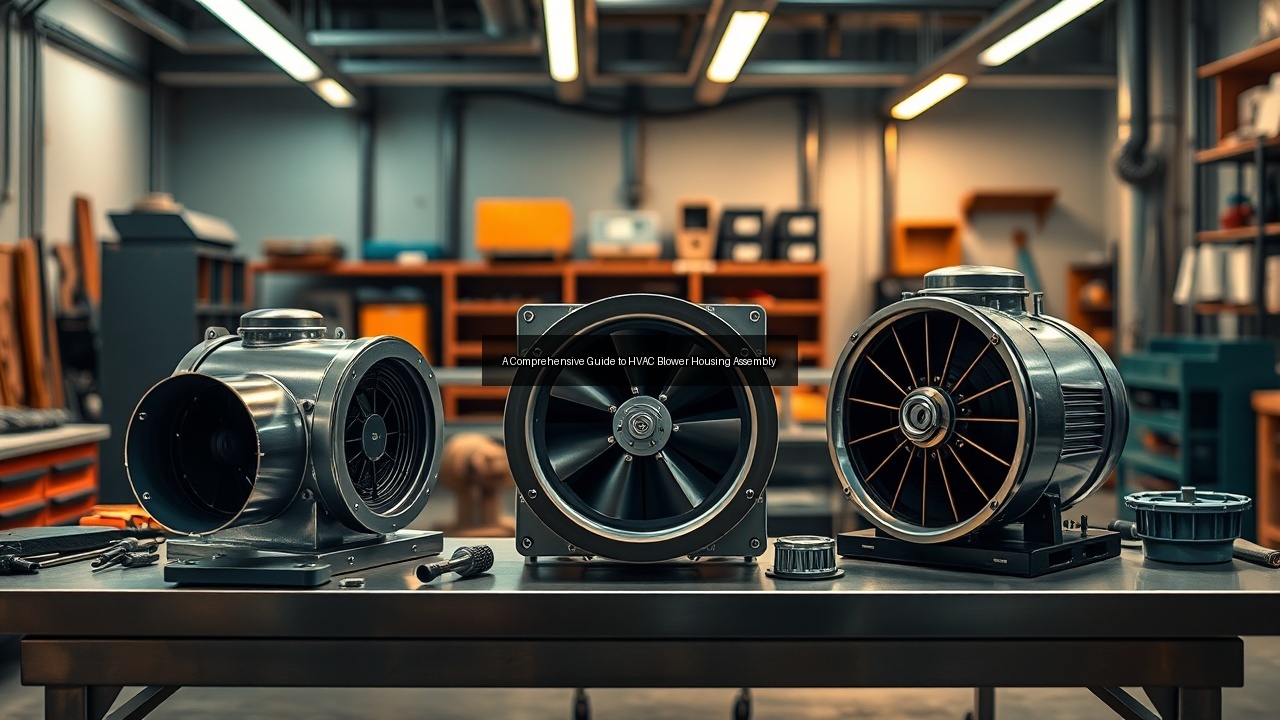
Understanding HVAC Blower Housing Assembly
What is HVAC Blower Housing?
HVAC blower housing is a crucial component within heating, ventilation, and air conditioning systems. This assembly encases the blower fan, providing a protective structure that directs airflow efficiently throughout the HVAC system. It is designed to optimize performance, minimize noise, and enhance durability. Typically made from sturdy materials, such as metal or high-grade plastic, the blower housing plays a vital role in maintaining the integrity and functionality of the overall HVAC system. By containing the blower fan, it ensures that air flows smoothly while protecting the internal components from dust and debris.
Components of a Blower Housing Assembly
A blower housing assembly consists of several key components that work in harmony to facilitate effective air circulation. The primary element is the blower fan itself, which generates airflow. The housing also includes a fan cage that secures the fan and prevents foreign objects from entering the assembly. Additionally, there are various mounting brackets and seals that ensure the housing remains airtight and vibration-free. Some assemblies feature built-in air filters to trap dust and particles, enhancing air quality. Understanding these components helps in recognizing their importance in maintaining an efficient HVAC system.
Importance of Blower Fans in HVAC Systems
Blower fans are the heart of HVAC systems, playing a pivotal role in distributing conditioned air throughout a building. Without a properly functioning blower fan, an HVAC system struggles to maintain desired temperatures, leading to discomfort and inefficient energy use. Blower fans enable the circulation of air through ducts, ensuring that warm or cool air reaches every corner of a space. Their design allows for high airflow rates, which enhances the overall performance of the system. Regular maintenance of the blower fan and its housing can significantly extend the lifespan of the entire HVAC unit, making it essential for homeowners to prioritize these components.
Types of Blower Housings
Furnace Blower Housing vs. Air Conditioner Blower Housing
Furnace blower housing and air conditioner blower housing differ primarily in their design and application. Furnace blower housings are typically more robust, built to handle high temperatures generated during heating cycles. They often include insulation to reduce noise and heat loss. In contrast, air conditioner blower housings prioritize airflow efficiency and are designed to accommodate the cooling process. The materials used in air conditioner housings may focus more on lightweight construction to facilitate easy installation. Understanding these distinctions is vital for selecting the appropriate component for your HVAC system, ensuring optimal performance and longevity.
OEM vs. Aftermarket Blower Housings
When considering replacement parts, one must choose between OEM (Original Equipment Manufacturer) and aftermarket blower housings. OEM parts are made by the original manufacturer, ensuring exact fit and compatibility with the HVAC system. These parts often come with warranties, providing peace of mind regarding their quality and performance. Aftermarket blower housings, on the other hand, are produced by third-party manufacturers. While they may offer cost savings, the quality can vary significantly. Some aftermarket options provide excellent performance, while others might not meet the standards of OEM products. Evaluating the pros and cons of each type helps in making an informed decision.
Choosing the Right Blower Housing for Your HVAC System
Selecting the right blower housing for your HVAC system involves several considerations. First, compatibility with your existing system is crucial. Consult the manufacturer’s specifications to determine the correct model number and dimensions. Next, consider the type of blower fan you plan to use; some fans may require specific housing designs for optimal performance. Additionally, assess the material quality; a durable housing can withstand environmental stressors and ensure longevity. Lastly, read customer feedback and reviews on various brands and models. This information can provide insights into performance and durability, guiding you toward the best choice for your needs.
Maintenance and Troubleshooting
Common Issues with Blower Motors and Housings
Blower motors and housings may encounter several common issues that affect HVAC performance. One prevalent problem is the accumulation of dust and debris, which can hinder airflow and reduce efficiency. Over time, this buildup can lead to overheating and potential motor failure. Another issue involves worn-out ball bearings within the blower fan. When these bearings fail, they can create excessive noise and vibrations, indicating the need for immediate attention. Additionally, improper installation or misalignment can lead to airflow restrictions, causing the system to work harder and potentially leading to increased energy costs. Regular inspections can help identify these issues before they escalate.
How to Clean and Maintain Your Blower Housing
Cleaning and maintaining your blower housing is essential for optimal HVAC performance. Start by disconnecting the power supply to ensure safety. Remove the blower housing cover, taking care to note the configuration for reassembly. Use a soft brush or vacuum to eliminate dust and debris from the fan and housing interior. If your system includes an air filter, check its condition and replace it if necessary. Clean the fan blades gently to enhance airflow efficiency. Inspect the ball bearings for wear and consider applying lubricant if they appear dry. Regular maintenance every six months can significantly improve the lifespan of your blower housing and overall HVAC system.
When to Replace Your Blower Fan or Housing
Knowing when to replace your blower fan or housing can save time and money in the long run. Signs indicating replacement include persistent noise from the blower fan, unusual vibrations, or reduced airflow despite a clean system. If the blower motor frequently overheats or trips circuit breakers, it may be time for a replacement. Additionally, visible damage to the housing, such as cracks or rust, can compromise performance and safety. If repairs become frequent and costly, investing in a new blower fan or housing may be the most practical solution. Consulting with an HVAC professional can provide guidance on whether repair or replacement is the better option.
Feedback and Warranty Considerations
Understanding Warranty Options for Blower Housings
Warranties play a critical role in the decision-making process when purchasing blower housings. Most OEM parts come with a warranty that covers defects in materials and workmanship, often lasting between one to five years. Understanding the specifics of these warranties, including what is covered and the process for claims, can protect your investment. Aftermarket options may also offer warranties, but these can vary widely in terms of duration and coverage. Always read the fine print and consider warranty options when selecting a blower housing, as this can provide added assurance regarding the longevity and reliability of your HVAC system.
Customer Feedback on Different Brands and Models
Customer feedback offers valuable insights into the performance and reliability of various blower housing brands and models. Online reviews can highlight common issues, such as noise levels, ease of installation, and overall durability. Users often share their experiences regarding the effectiveness of airflow, energy efficiency, and any challenges they faced during installation or maintenance. Pay attention to repeated themes in reviews, whether positive or negative, as these can indicate the general reputation of a particular product. Gathering feedback from multiple sources helps in making an informed decision about which blower housing best suits your HVAC needs.
The Role of Ball Bearings in Blower Fan Performance
Ball bearings play a crucial role in the performance of blower fans within HVAC systems. These components facilitate smooth operation by reducing friction between moving parts, which is essential for efficient airflow. Well-maintained ball bearings contribute to quieter operation and prolong the lifespan of the blower fan. Over time, however, bearings can wear out or become damaged, leading to increased noise and vibration. Regularly check the condition of ball bearings during maintenance sessions and replace them when necessary to prevent further damage to the blower fan or housing. Proper bearing maintenance ensures optimal performance and energy efficiency in your HVAC system.